
AI’s Disruptive Impact on Tech: Chip Shortages, Job Market, & Public Backlash
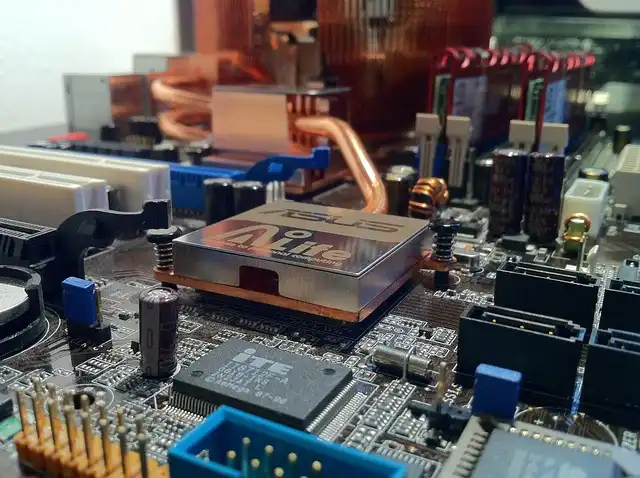
AI's rapid growth is causing chip shortages, driving up tech costs, alienating the public with harmful practices & data issues, draining talent from research labs, and disrupting traditional software & job markets, raising concerns about its long-term societal impact.
The AI change promises massive performance gains by automating complex tasks, speeding up scientific developments in medication, biotech, materials scientific research, and democratizing accessibility to experience in essential sectors like healthcare and education and learning. Individuals on the leading edge are currently vibe-coding their dirty work away.
AI’s Impact on Hardware & Supply Chains
The diversion of chips to AI infrastructure is causing issues for non-AI hardware launches. Shortages of basic power and vehicle chips are influencing sectors from automakers to home device manufacturers.
Public Backlash & Ethical Concerns
Turning the general public against the technology market. The public’s affection for Silicon Valley is souring in part because of the excesses of the AI market’s harmful “996” job culture, risks to work, AI slop, ridiculously high incomes, escalating electricity bills, and environmental damages from new information. There’s also the unauthorized burglary of personal data and copyrighted art to train versions, and the flood of deepfakes, disinformation and AI slop people see on social networks like Facebook.
Creating tragic chip shortages. Significant RAM manufacturers Samsung, SK Hynix, and Micron have shifted their production to focus on High-Bandwidth Memory (HBM) required for AI. This has resulted in shortages of typical DRAM and NAND chips utilized in mobile phones, laptops, and clinical tools.
Mike Elgan is a technology journalist, podcaster, and author who checks out the intersection of sophisticated modern technologies and culture through his Computerworld column, Machine Culture e-newsletter, Superintelligent podcast, and books.
Talent Drain in Non-AI Sectors
Draining minds from research labs. There’s constantly been a relationship between tech-related college research laboratories and technology. Currently, this is being distorted by AI. Private AI firms are employing away leading scholastic researchers and designers with enormous incomes. This burrows university departments and non-AI research labs, endangering the pipe of future skill for critical areas like traditional software design.
By early 2026, rates for common computer system memory and storage space drives (SSDs) had surged since the sector’s been prioritizing high-margin AI chips over customer parts. The public’s appreciation for Silicon Valley is souring in component since of the extras of the AI market’s harmful “996” job culture, dangers to jobs, AI slop, ridiculously high incomes, skyrocketing electrical energy bills, and environmental damage from new information. The regular software market is changing toward “vibe-coding,” where people desert paid app memberships in favor of creating their own custom-made, non reusable applications making use of AI systems like Replit, Lovable, and Cursor. What we don’t understand yet is the long-term effect of the AI change and whether it will certainly confirm to be a net injury or an internet advantage to the non-AI innovation people, business, jobs, culture and communities we have actually liked for years.
Delaying GPUs and the devices that use them. The need for AI compute power, which generally relies on Video Processing Units (GPUs), has actually produced an enormous backlog for the cpus and with it, the devices that use them for, you recognize, refining graphics.
Shifting Software & Consumer Habits
The routine software market is moving towards “vibe-coding,” where individuals desert paid application registrations in support of developing their very own personalized, disposable applications making use of AI platforms like Replit, Adorable, and Arrow. Gartner predicts that customers will reduce their mobile application usage by 25% as they rely on generative AI assistants to manage tasks instead than scrolling via separate applications, even without ambiance coding.
All this sounds alarming. And, in the short term, it’s bad. What we don’t understand yet is the long-lasting effect of the AI transformation and whether it will certainly verify to be a net benefit or a web harm to the non-AI modern technology individuals, company, jobs, society and neighborhoods we have loved for years.
Considering that you read this publication, it’s a risk-free assumption that you want and knowledgeable regarding technology, usually. And it’s become clear that innovation, typically, is under alarming threat from AI.
By very early 2026, rates for basic computer system memory and storage space drives (SSDs) had actually surged since the industry’s been prioritizing high-margin AI chips over consumer parts. There’s also a fad of more individuals acquiring second-hand laptop computers due to the fact that they can not pay for brand-new ones.
AI disclosure: I don’t utilize AI to do my writing.
Disruption in Content & Job Markets
AI chatbots are changing search engines by giving straight responses instead of lists of links, a shift that deprives authors of the website traffic and earnings they need to make it through. This harms innovation, an industry that depends on education, brand-new understanding and training.
As business pivot to AI, they’re reducing entry-level tasks in various other areas. This interferes with the occupation ladder and discourages young people from seeking non-AI tech occupations.
AI disclosure: I don’t use AI to do my writing. I made use of a word processing application called Lex, which has AI tools, and after composing the column, I used Lex’s grammar monitoring devices to hunt for errors and typos and suggest word modifications.
1 AI ethics2 AI impact
3 chip shortages
4 job market changes
5 public perception
6 tech industry disruption
« AI on Ice: How Robotics and Algorithms are Transforming Professional CurlingOpenAI Partners with Top Consulting Firms to Scale Frontier AI Agents »