
Samsung’s Chip Shortage: DRAM Prices Impacting Phone Production
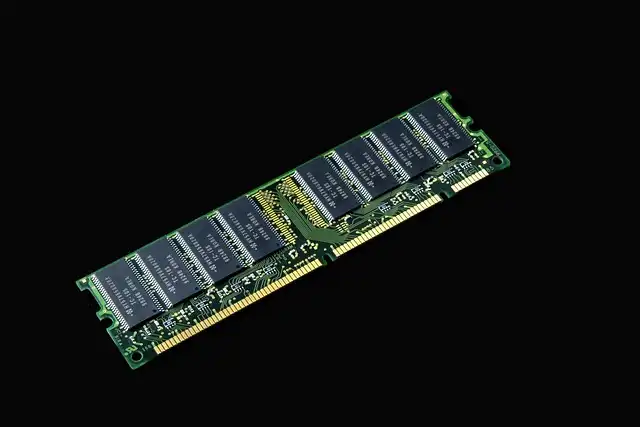
Samsung Semiconductor is prioritizing AI data centers over smartphone production, causing DRAM chip shortages and price hikes for Samsung Electronics. Expect potential price increases for Samsung devices.
Samsung subsidiaries are, normally, going to look to Samsung Semiconductor first when they need components. The end result, according to a report from SE Daily detected by SamMobile, is that Samsung Semiconductor denied the original order for smartphone DRAM chips from Samsung Electronics’ Mobile Experience division.
Rising Memory Costs & 2026 Projections
But if you’re wanting to see prices lower in 2026, do not hold your breath. According to a projection from memory distributor TeamGroup, element rates have actually tripled lately, causing completed components to jump in prices as quickly as one hundred percent in a month. Missing some type of disastrous market collapse, rates are expected to proceed increasing right into next year, and supply could stay constrained well right into 2027 or later on.
Assuming that this details is exact– and to be clear, we can not independently confirm it– consumers will see prices rise for Samsung phones and various other mobile equipment. That’s barely a shock. Finished electronics possibly won’t see the same speedy increase in rates as consumer-grade RAM components, but this rising trend is swamping all the watercrafts. Raspberry Masterpiece, which aims to keep its mod-friendly electronics as inexpensive as possible, has just recently needed to bring costs up and called out memory costs as the offender. Lenovo, the globe’s biggest computer supplier, is stockpiling memory materials as a bulwark versus the marketplace.
Samsung’s Internal Chip Supply Conflict
The price of eggs has nothing on the cost of computer memory now. Many thanks to a supply crunch from the “AI” bubble, RAM chips are the brand-new gold, with prices on consumer computer memory packages ballooning uncontrollable. In an object lesson in the crap of an economic bubble, Samsung won’t even offer its memory to … Samsung.
Michael is a 10-year veteran of technology journalism, covering everything from Apple to ZTE. On PCWorld he’s the resident key-board nut, always using a brand-new one for an evaluation and constructing a new mechanical board or increasing his desktop computer “battlestation” in his off hours. Michael’s previous bylines consist of Android Cops, Digital Trends, Wired, Lifehacker, and How-To Geek, and he’s protected events like CES and Mobile World Congress live. Michael lives in Pennsylvania where he’s always anticipating his next kayaking journey.
For this tale, we’re talking concerning Samsung Electronic devices, which makes Galaxy phones, tablets, laptop computers, watches, and so on, and Samsung Semiconductor Global, which manufactures memory and various other chips and provides the global market. That global market includes both Samsung subsidiaries and their rivals– laptops from Samsung, Dell, and Lenovo sitting on a Best Buy shop shelf may all have Samsung-manufactured memory sitting in their RAM slots.
Right here’s the situation. Samsung makes whatever from fridges to supermassive oil vessels. Getting all that things made requires an organization that’s actually dozens of associated companies and subsidiaries, which do not always work as closely or harmoniously as you might presume. For this story, we’re talking about Samsung Electronics, that makes Galaxy phones, tablet computers, laptop computers, watches, and so on, and Samsung Semiconductor Global, which manufactures memory and various other chips and provides the global market. That worldwide market consists of both Samsung subsidiaries and their competitors– laptops from Samsung, Dell, and Lenovo remaining on a Best Buy store shelf could all have Samsung-manufactured memory sitting in their RAM slots.
AI Boom Drives DRAM Price Increases
In a things lesson in the crap of a financial bubble, Samsung will not even sell its memory to … Samsung.
Samsung subsidiaries are, naturally, going to aim to Samsung Semiconductor first when they require parts. Such was apparently the case for Samsung Electronics, searching for memory supplies for its newest mobile phones as the company ramps up production for 2026 front runner designs. But with so much RAM equipment going into new “AI” information facilities– and those business ready to pay leading buck for their hardware– memory manufacturers like Samsung, SK Hynix, and Micron are prioritizing information center distributors to take full advantage of earnings.
Completion outcome, according to a record from SE Daily found by SamMobile, is that Samsung Semiconductor declined the original order for smart device DRAM chips from Samsung Electronics’ Mobile Experience department. The smart device production arm of the business had intended to nail down prices and supply for an additional year. But records say that due to “chipflation,” the phone-making department should renegotiate quarterly, with a lasting supply offer denied by its company brother or sister. A temporary bargain, with greater rates, was reportedly negotiated.
1 Acrobat AI Assistant2 Chip Shortage
3 DRAM
4 Memory Prices
5 Samsung Galaxy Book
6 Semiconductor Manufacturing Co.’s
« Eufy E340 Video Doorbell: Smart Home Security on Cyber MondayWindows 365 & Cloud PCs: Microsoft’s AI-Powered Desktop Future Strategy »